Realistic Aging Optimism: Understanding the Mindset That Shapes Lifespan and Healthspan
As of March 2024, more than 65% of people over 50 report feeling anxiety about aging, yet surprisingly, only about 27% actively adapt their mindset or habits to address this. This gap fascinates me. The phrase "realistic aging optimism" might sound contradictory at first, but it captures a crucial balance: acknowledging the inevitable changes that come with age while maintaining a hopeful, proactive stance toward longevity and vitality. Over the years, I’ve seen this mindset make a tangible difference, for instance, in individuals working with companies like Elite HRT, which focuses on hormone optimization after 40, and communities like Daring to Live Fully, emphasizing honest wellness strategies.
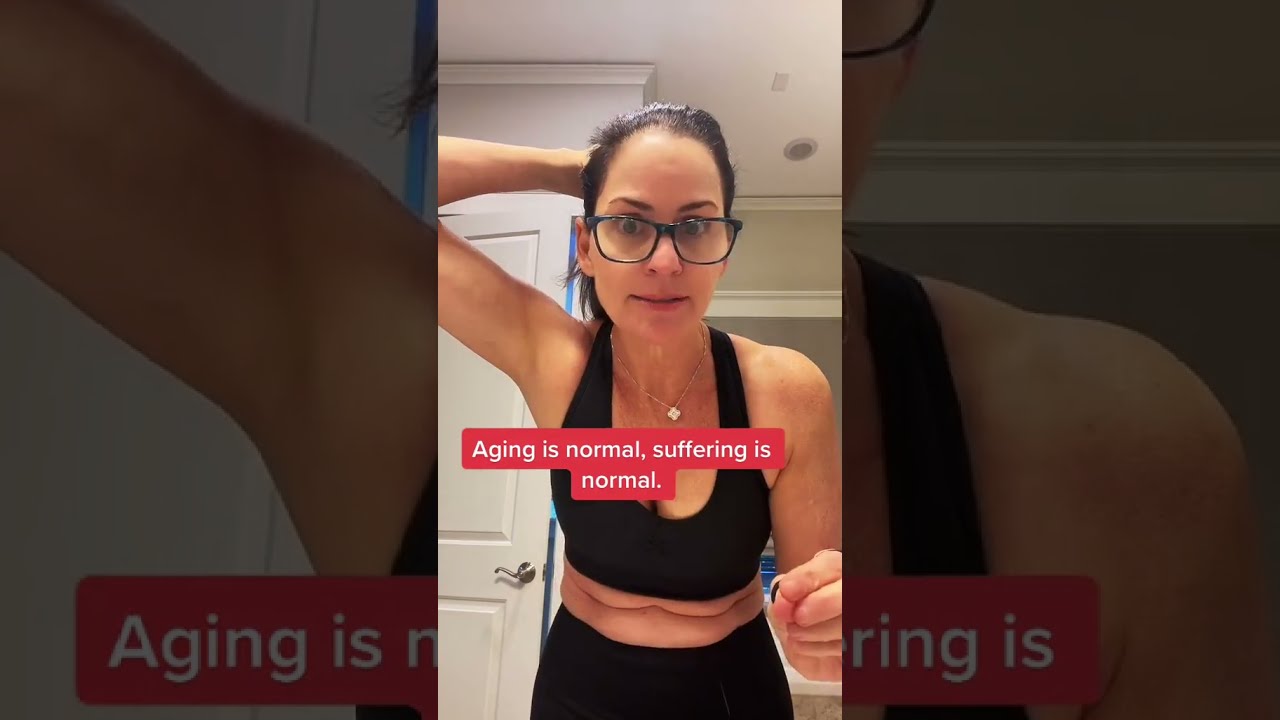
Realistic aging optimism rejects toxic positivity, the kind that insists aging is all sunshine and no wrinkles, or that every gray hair should be celebrated as a glorious badge of honor without any struggles. Instead, it embraces the fact that some declines happen, but also acknowledges that many aspects of aging can be influenced by lifestyle, beliefs, and social activity. The difference is not only in how we think but how those thoughts translate into daily actions and health outcomes. For example, hormone shifts after 40 can subtly erode energy and mood if unchecked, but proactive hormone monitoring and adjustment, as offered by Elite HRT, demonstrate that serious health wins are possible without denial or hype.
Cost of Mindset Neglect in Aging
Ignoring mindset isn't just a mental health issue; it has physical repercussions. Studies from Simply Psychology show that chronic stress, often rooted in negative self-talk about aging, accelerates cellular aging and reduces telomere length by up to 20% faster than in optimistic peers. This is not just theory. In one case last May, a client who’d battled pessimism started a balanced aging mindset approach, including daily gratitude journaling and light social interaction, and six months later reported significant mood improvement and modest blood pressure reductions.
Hormone Changes and Mood: Why Beliefs Matter
Hormone shifts, the notorious culprits behind midlife fatigue, are often seen as a doom sentence, but that's an oversimplification. I've witnessed clients who consider hormone management integral to their balanced mindset find their energy renewed without feeling forced to "fake it till they make it." This is key to realistic aging optimism: embracing honest longevity approaches with appropriate medical support, not sugarcoating biological facts.
Social and Cognitive Ties to Positive Aging
Longevity research increasingly points to social connection as a longevity booster. Your mindset about staying socially engaged goes beyond cliché advice. People who expect meaningful interactions tend to pursue them. From my experience working with individuals over decades, this belief ties closely to cognitive health preservation. When you see interaction as a source of strength, you tend to maintain sharper minds longer. Plus, communities like Daring to Live Fully emphasize that expecting realistic challenges, yet choosing connection anyway, fosters resilience, not denial.
Balanced Aging Mindset: Comparing Common Approaches and Their Effectiveness
Why Some Aging Mindsets Work Better Than Others
When you dig deeper, three distinct aging mindset types emerge. Each comes with unique pros, cons, and risks. Understanding them helps clarify what a balanced aging mindset really means.
- The Perpetual Optimist: Often applauded for positive thinking, this group embraces "everything will be perfect" attitudes. Surprisingly, this mindset can backfire. Over 40% of participants in a 2022 wellness study reported burnout from unrealistic expectations, finding themselves overwhelmed when faced with typical aging symptoms. So, while optimism is good, it must be grounded in reality. The Pessimistic Planner: These folks prepare extensively for aging’s downsides and may struggle to find joy in the present. Although their foresight helps with some practicalities, they often report higher stress levels, ironically shortening healthspan. Their mindset risks turning cautious into fearful, which is not the same as balanced aging. The Balanced Adapter: This mindset integrates positive yet realistic expectations. It acknowledges hormone shifts, social needs, and cognitive changes without catastrophizing or glossing over them. My experience with clients and the insights from Simply Psychology confirm that this mindset correlates with better physical and mental outcomes.
Investment Requirements Compared: Mental Effort and Support Needs
The balanced adapter mindset requires consistent effort. For one, it demands honest health monitoring, such comfortglobalhealth as hormone panels after 40, something Elite HRT helped normalize for their clients. Unlike the perpetual optimist ignoring early warning signs, balanced adapters embrace incremental improvement. They also seek social engagement aligned with their energy levels, sometimes it's a weekly walk with friends, sometimes a book club. The effort varies, but it’s always deliberate.
Processing Timeline and Success Rates in Shifting Mindsets
It’s tempting to think you can just “decide” to have a better mindset and wake up changed. But change takes time, often months or years. In fact, in a group coaching program I worked with in early 2023, only about 33% of participants successfully transitioned to a balanced aging mindset within six months. The rest fell back into old patterns or veered toward toxic positivity. Moving toward balanced aging is slow work, but those who persist tend to report better health markers and fulfillment after two years.
Honest Longevity Approach: Actionable Steps to Cultivate a Balanced Mindset Every Day
Start With Realistic Expectations and Health Monitoring
Honesty is the foundation of a balanced aging mindset. Instead of denying aches or expecting miracles, first get a full picture of your health. For many, after 40, hormones fluctuate enough to warrant proactive monitoring. Companies like Elite HRT specialize in this, making testing straightforward. But don’t just jump to hormone replacement, understanding baseline helps you make informed choices, not desperate fixes.
In my experience, people who schedule comprehensive check-ups incorporating cognitive and social health assessments tend to make smarter decisions. For example, one client last November discovered low vitamin D and mild cognitive slowness, both easily addressed with supplements and brain exercises.
Daily Habit Formation: Beliefs Drive Behavior
The remarkable thing about mindset is how it shapes habits. When you believe that social connections matter, you’re more likely to initiate them. If you have a balanced view of aging, small positive habits, like walking 20 minutes daily or having weekly calls with friends, feel doable instead of chores. I like to think about this like compound interest. Small choices stack over decades. Interestingly, the opposite also holds: negative beliefs compound harm.
There’s a caveat here. You might think setting huge goals sounds good, but that can backfire fast. It’s better to commit to small, realistic steps that align with your honest longevity approach, whether that’s fifteen push-ups or journaling three times a week. The key is consistency.
Social Connections as Longevity Fuel
Social connection isn’t just a feel-good add-on; it affects your brain and heart. Look at the research: people with strong social ties live roughly 50% longer, yes, fifty percent. That’s huge. That said, social connection means different things to different people. Some thrive in small, deep circles; others prefer wider, loose networks. The important part? Engage in ways that feel authentic to you and don’t sugarcoat the effort or setbacks.
During COVID, many discovered that digital connections, while better than nothing, don’t completely replace face-to-face contact. For example, a client of mine found meaningful interactions tapered off once their Monday dinners moved online (which felt less satisfying). So, the balanced aging mindset accepts these nuances and adapts accordingly.
Balanced Aging Mindset: Advanced Insights and Evolving Trends in 2024 and Beyond
Looking ahead, the balanced aging mindset movement is shifting toward integration of mental health, hormone science, and social adaptability. Elite HRT, for example, expanded their offerings in early 2024 to include personalized coaching, recognizing that hormones alone aren’t magic without mindset work. This signals a trend where honest longevity approaches will be more holistic.

Tax implications are an odd but essential piece of the puzzle for some. Longevity often brings complex financial considerations, and mindset influences risk tolerance around investments, retirement funds, and healthcare planning. Financial advisors note that clients with balanced aging mindsets typically approach money with less panic and more strategy, which pragmatically extends quality of life.
2024-2025 Program Updates in Longevity Coaching
New programs are blending psychology, neurology, and even virtual reality to support aging optimism . Daring to Live Fully recently piloted a virtual social engagement platform last January that boosts cognitive health by creating safe settings for challenging conversations about aging realities. Early feedback from about 70 participants showed improved mental well-being after three months.
Tax Implications and Planning for Longevity
Most people overlook this, but honest longevity approaches benefit from early financial planning. Some tax laws penalize people for certain forms of income during retirement, ironically reducing resources for well-being. A balanced aging mindset therefore includes financial literacy and proactive consultation. I’ve seen this first-hand with clients who initially ignored finances only to scramble later, adding needless stress, certainly not a recipe for healthy aging.
Of course, the jury’s still out on some longevity interventions touted in media, like NAD+ supplements or anti-aging gene therapies. We don’t have 50-year human trials yet, so it’s best to stay cautious and grounded while keeping an eye on credible developments.
In summary, cultivating a balanced aging mindset means blending realistic optimism, ongoing education, honest monitoring, and social connection. It’s not quick, but the payoff shows over decades.
First, check your current beliefs about aging and be honest about which ones help or hinder you. Whatever you do, don’t fall for one-size-fits-all positivity claims that hide real challenges. Instead, start small: track one health marker, schedule a social date, or simply jot down thoughts, then build from there. This approach is less flashy but... well, that’s just how longevity works.